
A roof can make it through a snowstorm looking perfectly fine, only for problems to show up weeks later. Maybe you notice a water stain on the ceiling after a mild afternoon, or long icicles start forming along the edge of the roof. In many cases, the damage didn't happen overnight. It developed over weeks of freezing temperatures, melting snow, and repeated freeze-thaw cycles.
That's a familiar pattern for homeowners across Pennsylvania. Winters here rarely stay consistently cold. Temperatures often rise above freezing during the day before dropping back below 32°F at night. That constant expansion and contraction puts every roofing material under stress, although not every roof responds the same way.
Whether your home has asphalt shingles, metal roofing, a flat roofing system, or an older slate roof, understanding how winter weather affects each material can help you spot problems early and make better maintenance decisions.
Why Pennsylvania Winters Are Tough on Roofs
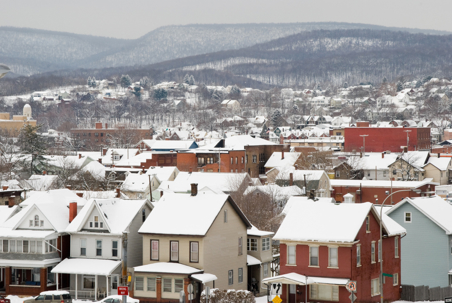
Pennsylvania's winters aren't defined by snowfall alone. It's the combination of snow, freezing rain, ice, wind, and fluctuating temperatures that creates the biggest challenges for roofing systems.
One of the most damaging weather patterns is the freeze-thaw cycle. When snow melts during the day, water can work its way beneath shingles, flashing, or small gaps around roof penetrations. As temperatures fall overnight, that trapped water freezes and expands. Because water expands by about 9% when it freezes, even tiny cracks can gradually become larger over repeated cycles.
These seasonal conditions can lead to:
- Cracked roofing materials
- Lifted flashing
- Ice dams
- Water infiltration
- Premature material deterioration
- Hidden attic moisture
The effects often remain unnoticed until warmer weather reveals leaks or interior water damage.
How Winter Affects Asphalt Shingle Roofs
Asphalt shingles are the most common roofing material throughout Pennsylvania, making them one of the most frequently affected by winter weather.
Cold temperatures naturally reduce the flexibility of asphalt. As shingles age, they become even more brittle, making them more susceptible to cracking if struck by falling branches or walked on during freezing conditions.
Winter can also accelerate granule loss. Those protective mineral granules shield the asphalt from UV exposure and weathering. During repeated snowmelt and refreezing, granules can loosen and wash into gutters, leaving portions of the shingles less protected.
Ice dams are another common concern. When melting snow refreezes along the roof's edge, water may back up beneath the shingles. If the underlayment or flashing has deteriorated, moisture can eventually reach the roof deck and attic.
Homeowners may notice:
- Granules collecting in gutters
- Curled or cracked shingle edges
- Missing shingles after wind events
- Water stains near exterior walls or ceilings
How Metal Roofs Handle Winter Conditions
Metal roofing performs differently from asphalt because of its smooth surface and durable construction.
Snow often slides off metal roofs more easily, reducing the amount of snow that remains on the roof for extended periods. This can lessen the likelihood of prolonged snow loads and reduce opportunities for ice dam formation.
However, metal roofing expands and contracts as temperatures fluctuate. Quality standing seam systems are designed to accommodate this movement, but older exposed-fastener roofs may develop problems over time.
Potential winter concerns include:
- Loose fasteners
- Worn rubber washer seals
- Damaged sealant
- Expansion-related movement around penetrations
Routine inspections can help identify these issues before they develop into leaks.
Flat Roofing Systems Face Different Winter Challenges
Flat and low-slope roofs experience winter differently because snow and melting water don't drain as quickly as they do on pitched roofs.
Instead of snow sliding away, moisture often remains on the roof longer. If roof drains become blocked by ice or debris, ponding water may develop.
Common winter concerns for flat roofing systems include:
- Ice around the roof drains
- Standing water after the snow melts
- Stressed membrane seams
- Flashing movement around rooftop equipment
Materials such as EPDM remain flexible in cold temperatures, but even durable roofing membranes rely on properly sealed seams and effective drainage to perform well throughout winter.
Regular inspections before and after winter can identify small seam issues before moisture reaches the building below.
Older Slate and Wood Roofs Require Special Attention
Many older Pennsylvania homes still feature slate roofing, particularly in historic neighborhoods.
Slate itself handles freezing temperatures exceptionally well because it absorbs very little water. In many cases, the roofing material isn't the weak point.
Instead, problems often develop around:
- Chimney flashing
- Valleys
- Dormers
- Roof penetrations
- Aging fasteners
Wood shake roofs face different challenges altogether.
Because wood naturally absorbs moisture, repeated freezing and thawing can contribute to splitting, curling, and gradual decay. North-facing roof slopes that receive less sunlight often retain moisture longer, increasing the likelihood of winter-related deterioration.
Older homes may also have roof framing that was built decades before today's building standards, making regular inspections especially valuable after harsh winters.
Don't Overlook Your Gutters
No roofing material performs well if water can't drain properly.
Leaves, pine needles, and debris that remain in gutters throughout the fall often become the starting point for winter roof problems.
When gutters clog:
- Water backs up beneath roofing materials.
- Ice dams become more likely.
- Meltwater has nowhere to drain.
- Moisture remains against the roof edge longer.
Many homeowners focus entirely on the roof while overlooking the drainage system that's protecting it.
Cleaning gutters before winter arrives is one of the simplest ways to reduce the risk of seasonal roof damage.
What to Check Once Winter Ends
As snow begins to disappear, it's a good time to give your roof a careful visual inspection from the ground.
Look for signs such as:
- Missing or damaged shingles
- Granules collecting below downspouts
- Bent flashing
- Sagging gutters
- Loose metal panels
- Debris blocking drainage areas
Inside your home, pay attention to:
- Ceiling stains
- Damp attic insulation
- Mold or musty odors
- Peeling paint near exterior walls
- Moisture around chimneys or skylights
Even small changes may indicate that winter weather created an opening for water.
Catching these issues early often allows for simpler repairs before spring rain arrives.
Give Your Roof a Closer Look Before Small Problems Grow
Every roofing material responds differently to Pennsylvania's winter weather. Asphalt shingles may become brittle, metal roofing expands and contracts with changing temperatures, flat roofs depend on proper drainage, and older slate or wood roofs often need extra attention around flashing and other details.
If you've noticed missing shingles, new leaks, sagging gutters, or signs of winter wear, a professional roof inspection can help determine whether repairs are needed before the damage spreads.
At Unity Roofing Systems, we provide professional roof inspections, roof repairs, roof replacements, and gutter services to help homeowners keep their roofs in excellent condition through every season.
Have questions about how your roof handled this winter?
Call (717) 864-5671 or schedule your free roof inspection today.